
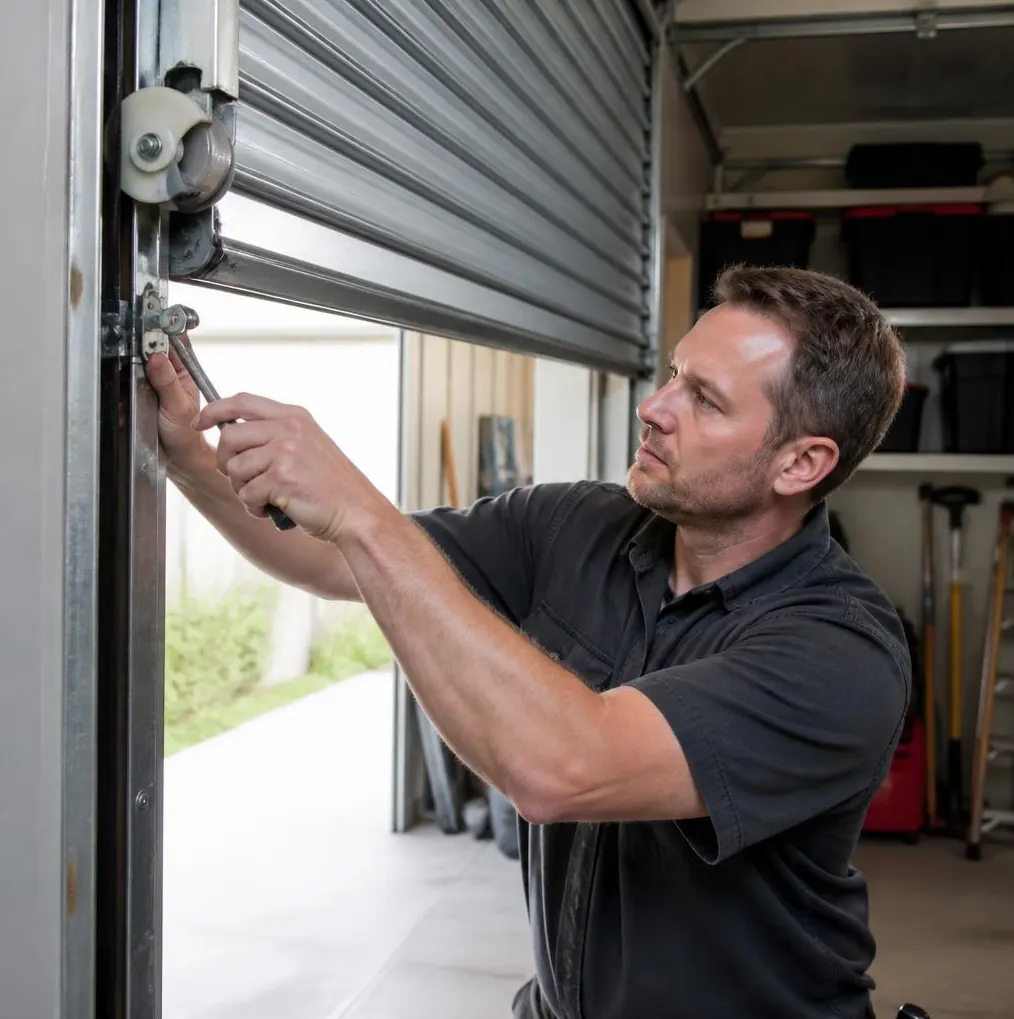
What a Technician Sees on a Winter Prep Call
Most fall service calls in this area start the same way: a door that worked fine all summer suddenly drags, squeaks, or won't fully seal at the bottom. The homeowner usually blames the opener. Nine times out of ten, it's leftover damage from hurricane season finally showing up now that the weather has shifted. Rust that started forming on springs during months of humidity. Panels that swelled with moisture and are only now settling into a slightly different shape. Tracks packed with grit and pine needles from storm debris that never got cleaned out. Winter doesn't hit Chattahoochee the way it hits the rest of the country, but the transition from hot, wet summer to cooler, drier fall and winter still puts real stress on a garage door system.
Why This Transition Matters Here
Gadsden County doesn't get brutal winters, but it does get real temperature swings, especially overnight. Cold snaps combined with months of built-up humidity in the garage create a cycle of expansion and contraction in wood doors, metal tracks, and hardware. Add in whatever residue hurricane season left behind, sand, salt-tinged moisture, storm debris, and you've got a door that's due for a real inspection, not just a quick glance.
Steps to Get Your Garage Door Ready
1. Check Springs and Hardware for Rust
Torsion and extension springs take the brunt of humidity exposure. Look for orange or flaking rust along the coils, and listen for grinding or popping when the door opens. Surface rust can often be treated, but pitted or deeply corroded springs are a safety risk and should be replaced, not patched.
2. Inspect and Replace Weatherstripping
Swollen wood doors sometimes shrink back as humidity drops, leaving new gaps along the bottom seal or side jambs. These gaps let in cold drafts at night and give rodents and insects an easy way into the garage as they look for warmer spots. Run your hand along the seal with the door closed; if you feel air movement or see daylight, it's time for new weatherstripping.
3. Clear Tracks of Storm Debris
Afternoon downpours and storm season winds push a surprising amount of grit, leaves, and sand into garage door tracks. This buildup causes the rollers to bind, which shows up as jerky movement or a door that seems to struggle halfway through its cycle. A simple brush-out and wipe-down of both tracks solves this more often than people expect.
4. Lubricate Moving Parts
Hinges, rollers, and the torsion spring itself all need a silicone-based or garage-door-specific lubricant, not household oil, which attracts more grit. Do this after cleaning the tracks, not before, or you'll just be grinding debris into the hardware.
5. Test the Balance and Auto-Reverse Safety Feature
Disconnect the opener and lift the door manually halfway. It should hold its position on its own. If it falls or shoots upward, the springs are out of balance and compensating unevenly, which puts strain on the opener motor. Also test the auto-reverse by placing a block in the door's path; it should stop and reverse immediately on contact.
6. Check the Opener's Battery Backup
If storm season knocked out power at any point, battery backup systems in openers can drain and not fully recharge. A dead backup won't matter in good weather, but the next time a winter storm front rolls through and knocks the power out, you'll want that opener working.
7. Consider Insulation If the Garage Doubles as Living or Work Space
Uninsulated steel doors conduct cold efficiently. If the garage is used as a workshop, laundry space, or storage for anything temperature-sensitive, insulated panel kits or a full door upgrade can make a noticeable difference during the cooler months without the cost of a whole-house retrofit.
When to Call Chattahoochee Garage Door
If you're hearing grinding from the springs, seeing visible rust, or the door won't stay balanced when lifted by hand, that's not a DIY fix, it's a safety issue. Our team handles Garage Door Spring Repair and full Garage Door Tune-Up & Maintenance visits that cover everything above: track cleaning, hardware lubrication, balance testing, and weatherstripping replacement. We'll also check the opener's safety reversal and backup battery while we're there, so you're not caught off guard by the next storm front or cold snap.
If your garage door has been acting up since summer or you just want it checked before winter settles in, call Chattahoochee Garage Door. We serve Chattahoochee, Sneads, Greensboro, Quincy, Gretna, Havana, Blountstown, and Marianna, and we'll get your door running smoothly before the weather turns.